Pele Birth of a Legend (2016)
Poor Boy Everyone Mocked Becomes the Youngest World Cup Champion
Pele Birth of a Legend (2016) Full Recap
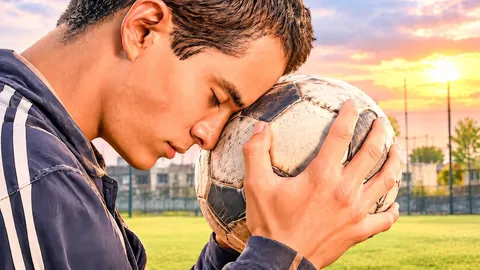
In a locker room in Sweden, a skinny 17-year-old in a yellow Brazil shirt stares at the floor. It's the 1958 World Cup, and word is he got sick to his stomach when he heard he'd be starting. The commentators are already feeling sorry for Brazil. His name is Edson Arantes Donasimento, and he's about to walk into a stadium full of people who expect him to fail.
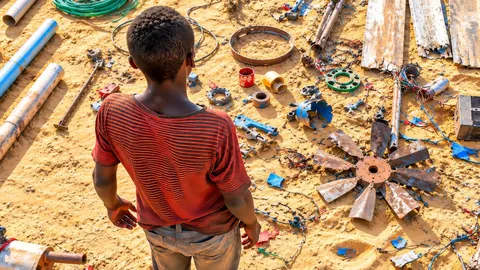
To see how he got here, we have to go back 8 years to the dirt streets of a small Brazilian town. It's 1950 in Bau, and a 10-year-old named Viko shines shoes by the side of the road. He and his friends are way too poor to own a real football. So, they yank clothes off a neighbor's washing line and tie them into a lumpy ball.
Then, they play right there in the street barefoot. The game spills through the whole neighborhood, over fences, under carts, and across tin roofs. The boys fake left and right, almost like they're dancing, and they shout the name of that move, the Gingga. An angry shopkeeper waves a towel at them.
One kid ends up splashing face first into a muddy pond. Back home, Do's mother, Celeste, is waiting. She catches him and his younger brother, Zoka, sneaking in covered in dirt. They're supposed to be working, not kicking balls around. She sends them to change and get right back to Shining Shoes.
That afternoon, half the town packs into the local bar around a radio. It's the World Cup final. Brazil against Uruguay in Rio di Janeiro, and the game is tied with 10 minutes left. Do his friends climb onto the roof to listen. Then Uruguay scores. Brazil loses 2 to1 at home in front of 200,000 fans.
Grown men cry in the bar. Do finds his father, Dondinho, sitting quietly at a table. He walks up and makes him a promise. One day, Do is going to win the World Cup for Brazil. Even Dondinho tells him to listen to his mother, focus on school, and avoid football like the plague. Celeste works as a maid for a rich family.
And while do helps her in their kitchen, she explains why. She met his father at a game where he scored five goals with his head. But the club paid him almost nothing and dropped him the second heard his knee. Now Dondinho works as a janitor, scrubbing toilets. The boys of the house come in talking about the Bau Youth Cup.
A famous scout named Waldemar De Brrito will be at the final looking for players for the Santos football club. Do tries to say the name of his favorite goalkeeper, but he gets it wrong and it comes out as Pelle. One of the rich boys, Jose, laughs and starts calling him that. Moments later, a can of milk crashes to the floor and Celeste has to apologize and promise her boss she won't bring her son again.
Do enters the tournament anyway. His brother is scared of what their mom will do if she finds out. But Diko doesn't care. He puts together a team with his street friends, including Thiago, a small boy with glasses. They play barefoot and they win their first match one to nothing.
On the next field, Jose's team, the Kings, crush their opponents 8 to nothing. They all wear the same Navy shirts and real football boots. The announcer sets up the final, the Kings against team number seven. Somebody shouts what everyone is calling Do's barefoot team, the shoeless ones.
They are called the shoeless ones. Do decides his team needs boots, too. The problem is they don't have a single coin between them. So, the boys sneak into a train depot, grab a sack of peanuts off a pile, and run for it. They scramble under the platforms and get away. In the market, they sell the peanuts and throw in a free shoe shine with every two bags.
Then Jose and his friends from the rich school stroll by. They laugh at the barefoot boys and call them names like Fatty and four eyes. Words turn into fists and a fight breaks out in the dirt. That night, Do comes home hurt and he tells his parents his teacher did it. Zoka backs up the story.
Celeste wants to march down to the school the next day, but Dondinho tells her to go to work. He'll talk to the teacher. On a walk, Dondinho makes it clear he knows there was no teacher. When he was Do's age, he got into fights, too. Especially when other boys called him names. Over time, he learned that a good player knows fighting comes from insecurity.
If Diko wants to play professionally, he can't be ashamed of who he is. Do hardly believe it. His father kept the fight a secret and he even hopes his son goes pro. On the day of the final, Thiago shows up without his glasses so nobody can call him names. The announcer introduces the kings led by their captain Jose Alapini and the shoeless ones led by Captain Pelle.
Then Walddemar Derito sits down to watch. This time the sholess ones show up in boots and their plan is simple. Copy whatever the kings do. It's a disaster. They trip over their own feet and the kings go up six to nothing. Do has had enough. He sits down right there on the field and pulls off his boots.
He remembers the alleys back home and the ball made of laundry. Barefoot again, he starts dancing past the kings, juggling the ball over their heads. One by one, his teammates kick off their boots, too. Now the goals start coming. The crowd is on its feet, cheering for the barefoot kid they've started calling ple.
With five minutes left, the shoeless ones pull within one goal. Then the final whistle blows. The Kings win 6 to5. Do is crushed, but his friends crowd around him and his father is smiling in the stands. Then a few men show up looking for the kids who stole their peanuts. The boys scatter.
Diko and Thiago race into the forest as a storm breaks. They splash across a stream and crawl into a little cave to hide. Thiago has twisted his ankle, so they wait for the rain to ease. While they sit in the dark, Thiago tells Do he can get out of this place one day. Then dirt starts pouring from the ceiling.
The cave is collapsing. Do makes it out, but Thiago is stuck. The men get there too late and they carry Thiago home along the railroad tracks. That night, do so in his mother's arms. They stole those peanuts to buy boots and the boots were his idea. He blames himself for Thiago's death.
He swears to Celeste he'll be good from now on and focus on school. Late at night, Dondinho sits by the lamp, turning War Derito's business card over in his hands. He decides Do will work with him at the clinic after school. So, the boy spends his afternoons there, working beside his dad.
There's a mango tree out back, and Dondinho says he had one just like it when he was a kid. Green mangoes were for shooting practice, he says, and the ripe ones were for a soft touch. Soon, Do is kicking mangoes around in the tall grass. His father coaches him. Nice and soft. Keep it soft.
Don't try so hard. Do juggles mango after mango through the yard and past the washing lines. The years go by and do is 15 when Walddemar Derito shows up at the family's door. The scout has one question for him. How would he like to try out for Santos? Do isn't sure he can do it and he tells his mother he might just say no.
His parents know how much the family is giving up, and he's never even left Bau, but they decide they have to be strong for him. Now, when the day comes, they send him off and tell him to go make them proud. At the Santos Club, the coach makes one thing clear. There's no magic in football, and whatever primitive style the boys played at home, they need to forget it.
Do lands on the youth team. The coach even shows them film of Hungary knocking Brazil out of the 1954 World Cup. No showmanship, just perfect formations. Do can't play that way. In practice, he never scores. One night, he packs his suitcase and walks to the train station to go home.
Walddemar Derito is already sitting on the platform. Do admits he isn't good enough, and if he doesn't go back to school, he'll end up cleaning toilets. The old man asks, "What's wrong with that?" "And what's wrong with not playing like the other guys?" The coach says his style is primitive, do tells him. Wdemar agrees, and that's exactly the point.
In the 1500s, the Portuguese brought African slaves to Brazil, and many of them escaped into the jungle. To protect themselves, they used the Ginga, the movement behind Capoera. When Capoera was outlawed, they hid the ginga inside football until it became the rhythm of all Brazilians. But after the 1950 loss, people blamed the Ginga, and the country turned against anything tied to its African roots.
Waldemar tells Do the Gingga is strong in him. He can show everyone what happens when you have the courage to be who you are. Or he can get on that train and never know. The next morning, Doiko is back on the Santos field. Forget the coach's rules. Do skips past one defender, then another.
Pops the ball up and flips upside down for a bicycle kick. The coach calls him over and asks what the heck that was. Do says he's sorry. Do it again, the coach tells him. Soon, a pro midfielder named Zito is explaining an old Santos tradition. Whoever scores four goals gets to run out and bring him coffee.
Then do checks the team lists and can't find his name. He's reading the wrong one. He's been moved up to the pros and before long the radio is buzzing about the 15-year-old with a magical style. On a visit home, do gives his father a radio so he can follow his games. Celeste isn't thrilled, but the next day, the family gathers around it anyway.
The announcer is reading out Brazil's team for the 1958 World Cup. 22 of the country's best players. At the end, he adds a 16-year-old named Nasimento. Do looks like he's going to be sick. Outside, an old friend from the Shoeless Ones can't believe one of them made the national team, but Do says it doesn't feel the same without his old teammates.
He misses Thiago, his friend does, too. Before Diko leaves, Dondinho hands him his old pattern shirt from the Shoeless Ones with the name Pelle stitched on it. Do doesn't get it since that's what the rich kids called him to mock him. His father says it's what the people called him when they saw him play with Jingga.
Years ago, Dondinho was filled with doubt the day he got his big chance, and that doubt ended his career. So, do must never be ashamed of how he plays. At the national team camp, do meets the stars. Garincha, the famous dribbler, wants to see the kid who thinks he can dribble like him.
There's Vava, DD, and Zito again. One of them grins and tells him he'll see him on the bench. His rival for the starting spot is a face he knows. It's Jose Altafini, the rich boy from Bau, who now goes by Madzola. At the press banquet, Jose says his Italian training will bring some class. this team may lack.
A reporter asks whether Gingga can hold up against the Europeans. Do says he doesn't see what's so bad about Gingga and the coach, Vicente Fiola, quickly cuts in. Afterward, Fiola calls him into his office. The president told him Brazil is at a crossroads. The world will see them as savages or as civilized.
Fiola promised this team won't make fools of themselves and he orders do to get a haircut and some proper clothes. Practices go badly and the radio reports that Fiola is struggling with his new recruits. The coach is picking his starting lineup that day. Before practice, Jose gives Do some advice.
Show the coach he can play the way Jose plays and he might have a shot. On the practice field, Do plays it clean and simple. Then he jumps for a high ball, crashes into another player and lands hard. He grabs his knee and can't get up. That night he calls home. His knee is hurt and nobody knows when he'll play again.
He says he should have stayed in school, but Celeste tells him they made that choice together and it was the right one. The team doctor says the knee is still too swollen. Maybe next season, but it's too late to replace him. So Fiola tells them to start his rehab and take him to Sweden.
Back home, the commentators say Brazil hasn't learned its lesson. In Stockholm, 16 teams arrive for the World Cup. The home team, Sweden, is the big favorite. Their star winger brags that no team from outside Europe has ever won the cup in Europe. When reporters try to interview the Brazilians, they barely get a word out of them.
The team's massur, Mario Americal. Later, the doctor checks the knee again. It looks better than he expected, but it's still very weak, and playing on it will hurt badly. Brazil scrapes through its first two games, a win over Austria, and a scoreless tie with England. But three starters get hurt, including Jose. against the Soviet Union.
Fiola is forced to start Zitto Garina and the 17-year-old Nasimento. Back in Bau, the whole town crowds around the radio. In the tunnel, Fiola tells him to protect that knee at all costs. And don't even think about Gingga, he warns. As they walk out, the crowd laughs at how tiny the kid looks next to his teammates.
Listen to the the Soviets bounce the smaller Brazilians around like pinballs, but Garina slips a pass through to Vava and Brazil scores. They hold on and move on to face France in the semifinal. Against France, do plays scared. He hesitates on a dribble, loses the ball, and shoves an opponent in frustration.
Moments later, France scores to tie it up. The teams head in for halftime. In the locker room, Jose sits down next to him. Do admits his leg isn't the problem. It's his head. So, Jose opens up about his own life, where all he ever wanted was to be European. But coming here has shown him who he really is.
He remembers the day back in Boru when the shoeless ones showed everyone their ginga, and he says it was beautiful. That's what the team needs now. In the second half, do plays with Ginga. He hammers a shot into the net to put Brazil ahead. Then he does it again and again, faking out, defender after defender.
That's a hat-tick in about 20 minutes. And Brazil is going to the World Cup final. Back home, Bau goes crazy. But Fiola has 4 days to get his team ready for Sweden. He fills a chalkboard with formations so his players can shift exactly the way the Swedes do. Nobody can follow it. At a press conference, Sweden's coach George Rener predicts his team will score early and Brazil will panic just like in 1950.
Then he calls the Brazilian players abnormal. No, I mean they are literally abnormal. He goes through them one by one from Garincha's crooked spine to a reserve who's missing a finger. Do calls home and Dondho has already heard about it. This is exactly what happened in 1950, he says. and they can't let the doubt get to them.
Do mentions the guys have started calling him Pelle. His father says it's a sign. Now is the time for Pelle and he has to help his team believe in themselves in Brazil and in the Ginga. The next morning at breakfast, do flicks a ball over to Gina. Soon there's a challenge on. Keep the ball off the ground all the way out to the lighthouse by the lake.
Lighthouse. No bounce. The players juggle it out of the dining room and straight through the hotel kitchen, past the cooks and the trays of bread. They keep it going through the lobby, bouncing it off knees and heads while the guests duck. Fyola watches the whole thing from his chair with a drink in his hand.
The chase goes all the way out to the lake. Later, Fyola sits his players down. If they play the way they've played all week, he tells them they'll lose and it'll be his fault. Shifting formations may work for Sweden, but it isn't them. What he saw at the hotel today, that's how they play.
Pele Birth of a Legend (2016) Ending Explained
He doesn't know if they'll win, but he knows they'll show the world a beautiful game. I want them to see Brazil just as we are. The morning of the final, the sky is clear over Stockholm. Both teams wear yellow, so by the king's order, Brazil has to play in blue. The king and queen of Sweden take their seats.
Back home, the entire country stops to listen. From the kickoff, the Swedes swarm Deco, three yellow shirts on him at once. Just four minutes in, Sweden scores. It feels like 1950 all over again, and the home crowd is already celebrating, but this time, Brazil doesn't fall apart.
The players start moving the ball with Ginga, and they tie the game. Then Garina dances down the wing and crosses to Vava who puts Brazil ahead two to one. Brazil has taken the lead. The whole stadium goes quiet. Brazil takes over the game, passing and smiling. Then do traps a ball, flicks it over a defender's head, and smashes it into the net. 3 to one.
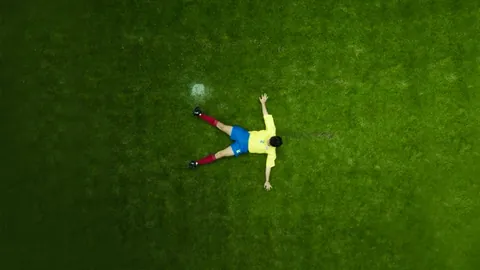
Even the king and queen are clapping for the South Americans. The goals keep coming. Back in Bau, Dondinho and the whole bar leap out of their chairs. In the final seconds, Do rises for a header and the ball goes in. Sweden has no answer. When the whistle blows, Do faints right there on the grass.
Brazil has won its first World Cup. 8 years after that promise, in a bar in Bau, the boy kept his word to his father. That summer of 1958, the boy from Bahu became Pelle and the Ginga became known around the world as the beautiful game. Pelle went on to win the World Cup again in 1962 and 1970. Brazil's president even declared him a national treasure, but one record he never beat still belongs to his father, Dondinho.
Five goals with his head in a single game. For 8 years, Brazil was ashamed of the ginga. A barefoot kid from Bau refused to give it up, and he brought the cup home with it. Has anyone ever told you to change something about yourself that you're glad you kept?
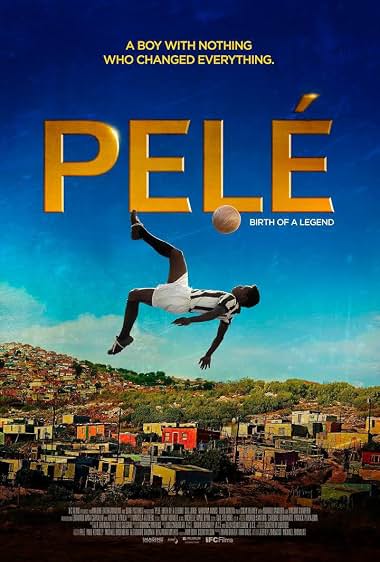
Pele: Birth of a Legend (2016)
Pele's meteoric rise from the slums of Sao Paulo to leading Brazil to its first World Cup victory at the age of 17 is chronicled in this biographical drama.
Director Jeff Zimbalist, Michael Zimbalist
Writers Jeff Zimbalist, Michael Zimbalist
Stars Vincent D'Onofrio, Rodrigo Santoro, Diego Boneta
United States · English, Portuguese, Swedish
IMDb View on IMDb